
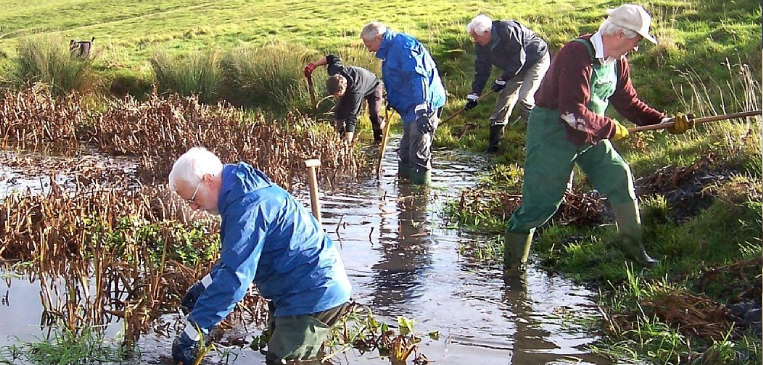
Most people walking through the Cotswolds probably don’t think much about who repaired the muddy footpath they’re using, replaced the broken gate they’ve just passed through, or cleared the overgrown brambles from a narrow trail after winter.
But once you start noticing the work of the Cotswold Voluntary Wardens, it becomes difficult not to see their influence almost everywhere.
You notice:
- repaired stiles on remote hillsides
- fresh waymarkers on older routes
- cleared paths through woodland
- repaired stone steps after wet weather
- trimmed vegetation along narrow walking trails
Honestly, a huge amount of the Cotswolds walking experience quietly depends on work most visitors never even think about.
What surprised me most was how practical and weather-dependent much of the role actually is. The romantic postcard version of the countryside disappears fairly quickly once you realise how much constant maintenance the landscape needs simply to stay accessible.
Most People Pass Their Work Without Realising It
That’s probably the strange thing about the wardens.
If they’re doing their jobs properly, many walkers barely notice the work at all.
A footpath simply feels:
- easy to follow
- safe to cross
- properly signed
- reasonably maintained
without people thinking about what happens behind the scenes.
But once you begin paying attention, you start noticing small details everywhere:
- recently repaired gates
- drainage channels beside muddy paths
- cleared vegetation around signs
- resurfaced trail sections
- wooden bridges repaired after flooding
One thing I liked was that the work often feels practical rather than performative. It’s not really designed to impress people. It just quietly keeps the countryside functioning.
Winter Looks Much Tougher Than Summer
Honestly, winter made me appreciate the wardens far more.
Summer walking in the Cotswolds can feel fairly easy in comparison. Dry paths, longer days, and clearer routes hide how difficult some areas become once the weather turns.
But after heavy rain or colder weather, you suddenly notice:
- deep mud across paths
- slippery stone steps
- damaged gates
- flooded sections of trail
- overgrown routes after storms
One cold morning near a muddy hillside path outside Winchcombe, you could hear volunteers knocking mud from tools beside a gate while walkers carefully tried not to slip nearby.
That felt far more representative of the real countryside than the polished version most visitors arrive expecting.
The Work Is Often Physical and Unglamorous
A lot of countryside conservation content online makes volunteer work sound endlessly peaceful and picturesque.
In reality, much of it looks:
- cold
- muddy
- repetitive
- physically demanding
- weather-exposed
especially during winter months.
You regularly see wardens:
- digging drainage channels
- repairing broken fencing
- clearing fallen branches
- replacing signs
- carrying tools across uneven ground
Honestly, some of the quieter maintenance routes looked tougher than the popular walking trails themselves.
Walking Culture in the Cotswolds Depends on This Work
The Cotswolds has become one of the busiest walking regions in the country now.
Routes around:
- Broadway
- Bourton-on-the-Water
- Winchcombe
- the Cotswold Way
- popular circular village walks
all receive huge numbers of visitors throughout the year.
Without regular maintenance, many paths would deteriorate surprisingly quickly.
What stood out to me most was how much the wardens seem connected to the everyday reality of the landscape rather than the postcard version people usually focus on.
They deal with:
- erosion
- flooding
- damaged signs
- broken gates
- overgrown vegetation
- confusing route sections
the kinds of problems ordinary walkers constantly encounter but rarely think about long-term.
The Quiet Routes Feel Most Connected to the Wardens’ Work
The busiest villages get most of the attention online, but honestly, the quieter walking routes felt more connected to the wardens’ role.
Away from the crowded tourist centres, you start noticing:
- isolated footpaths across fields
- woodland trails
- older stone stiles
- exposed escarpment routes
- less-maintained-looking sections of countryside
Those areas make the practical importance of maintenance work much more obvious.
One thing I liked was how some quieter routes still feel slightly uneven and imperfect rather than over-managed.
The countryside still feels real.
Weather Changes Everything
This is something many casual visitors underestimate.
A dry summer walk and a wet winter walk in the Cotswolds can feel like completely different landscapes.
Rain changes:
- visibility
- mud levels
- erosion
- route conditions
- drainage problems
- safety on hillsides
Honestly, seeing volunteers working in difficult weather conditions gave me a much more realistic appreciation for how much effort goes into maintaining public access year-round.
It’s Easy To Romanticise the Countryside
The Cotswolds gets presented online as:
- peaceful
- timeless
- perfectly maintained
- naturally beautiful
But the reality is much more hands-on.
The landscape only remains accessible because people are constantly:
- repairing
- clearing
- maintaining
- checking
- rebuilding
behind the scenes.
The wardens are a big part of that.
Is the Work of the Cotswold Voluntary Wardens Important?
Absolutely.
Most visitors probably never fully notice how much walking access depends on this kind of quiet maintenance work.
But once you start paying attention, you realise the wardens shape a huge amount of the experience people associate with walking in the Cotswolds.
What stayed with me most wasn’t actually a specific repair or footpath.
It was the contrast between:
- the polished tourist image of the Cotswolds
and - the muddy, practical, weather-exposed work required to keep the countryside usable in the first place.
That reality felt far more interesting than the usual postcard version.
FAQ
Who are the Cotswold Voluntary Wardens?
The Cotswold Voluntary Wardens are volunteers who help maintain footpaths, walking routes, signage, gates, and countryside access across the Cotswolds.
What do the wardens do?
Their work includes:
- repairing paths
- clearing vegetation
- maintaining signs
- repairing gates and stiles
- helping manage countryside access
Are the Cotswold Voluntary Wardens volunteers?
Yes, the organisation is volunteer-based.
Why are the wardens important?
They help keep public walking routes accessible, safe, and usable throughout the year.
Do the wardens maintain the Cotswold Way?
They help support and maintain many popular walking routes, including areas connected to the Cotswold Way.
When is the best time to appreciate their work?
Winter and wetter months often make the importance of countryside maintenance much more visible.s that make the Cotswolds so special simply wouldn’t receive the care and attention they need.
Some Useful Posts About The Cotswolds
-
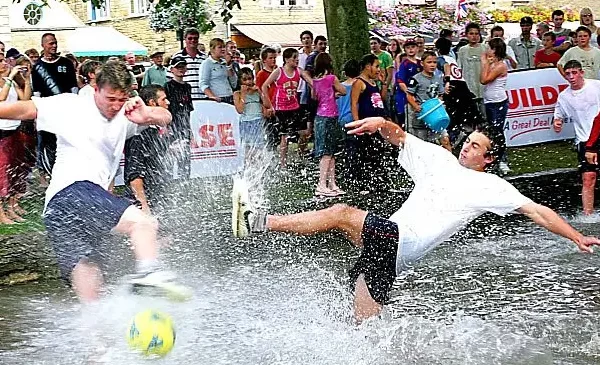
River Football in Bourton on the Water
A bit about visiting Bourton on the Water Embarking on a Cotswold tour from London to visit Bourton-on-the-Water is a delightful escape[…]
-
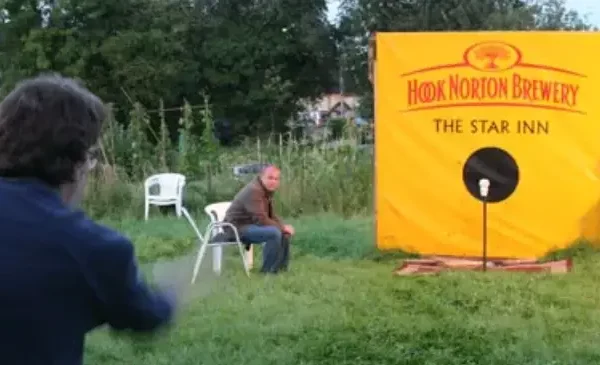
Aunt Sally: The Cotswolds Throwing Game
Discovering Aunt Sally: A Quintessential Cotswolds Experience If you’re planning a trip, exploring traditional customs like Aunt Sally is one[…]
-
Cotswolds Claim To Fame – Literary Connections
Nestled in the heart of England, the Cotswolds is not only renowned for its picturesque landscapes and charming villages but[…]
-
Film and TV Locations in the Cotswolds That Actually Feel Worth Visiting
The strange thing about visiting filming locations in the Cotswolds is that many places already feel familiar before you even[…]